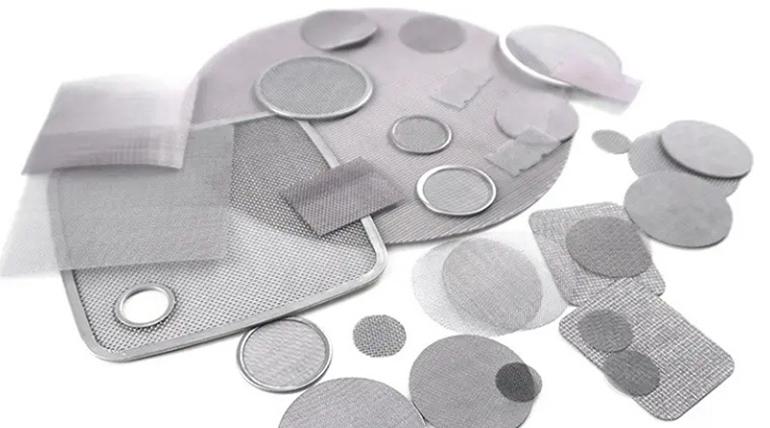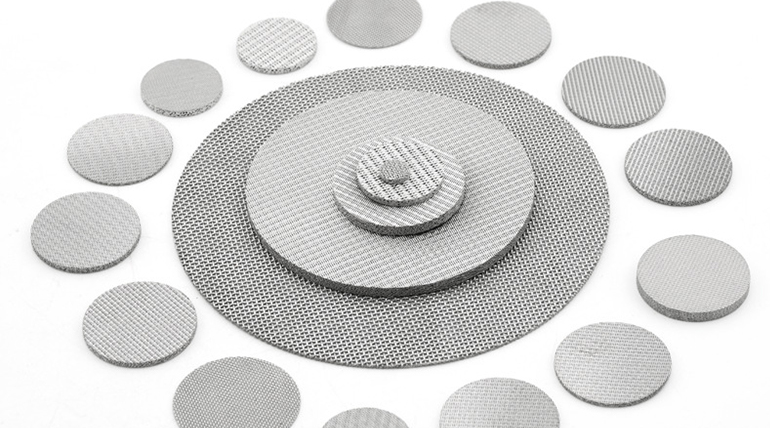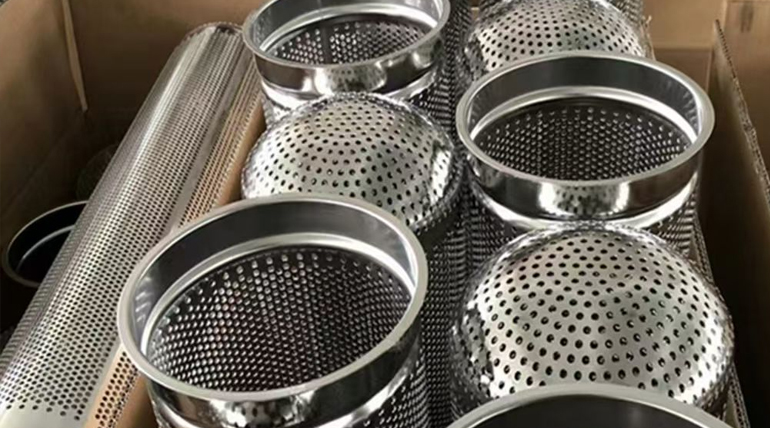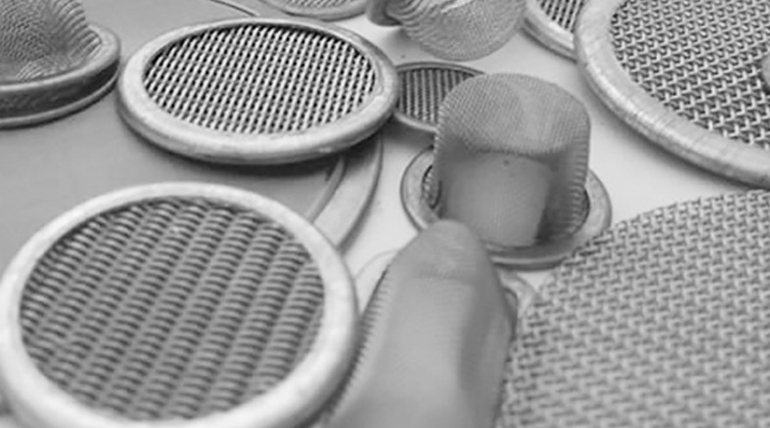
Filter cartridges as consumables account for a significant cost share. If you can apply the following points well, you can significantly extend service life.
First, do pre-treatment well. Before material enters the filter cartridge, use coarse filtration or centrifugation to remove large particles and easily clogging substances. This is like changing engine oil in a car – better front-end protection means lighter load on the filter cartridge.
Second, control operating temperature. Too high accelerates filter cartridge aging, too low may increase material viscosity and clogging risk. It is generally recommended to operate in the middle range of the filter cartridge rated temperature range.
Third, perform backwashing properly. For filter cartridges that can be backwashed, regular reverse flushing should be done to flush out particles attached to the filter pores. Backwash pressure does not need to be too high – 0.3 to 0.5 times working pressure is sufficient.
Fourth, standardize cleaning procedures. During chemical cleaning, pay attention to concentration and temperature – do not exceed limits. Some operators for convenience use strong acid or alkali for prolonged soaking, only to find the filter cartridge corroded through.
Fifth, maintain operation records. When the filter cartridge was replaced, what was the pressure drop at that time, what was the material temperature – accumulating this data helps you find the optimal maintenance schedule.